

The growing adoption of artificial intelligence in cybersecurity is creating a new set of expectations for security systems. Identifying threats and flagging suspicious activity remain important, but enterprises increasingly need technology that can understand the relationships between different parts of their infrastructure and anticipate the consequences of security decisions.
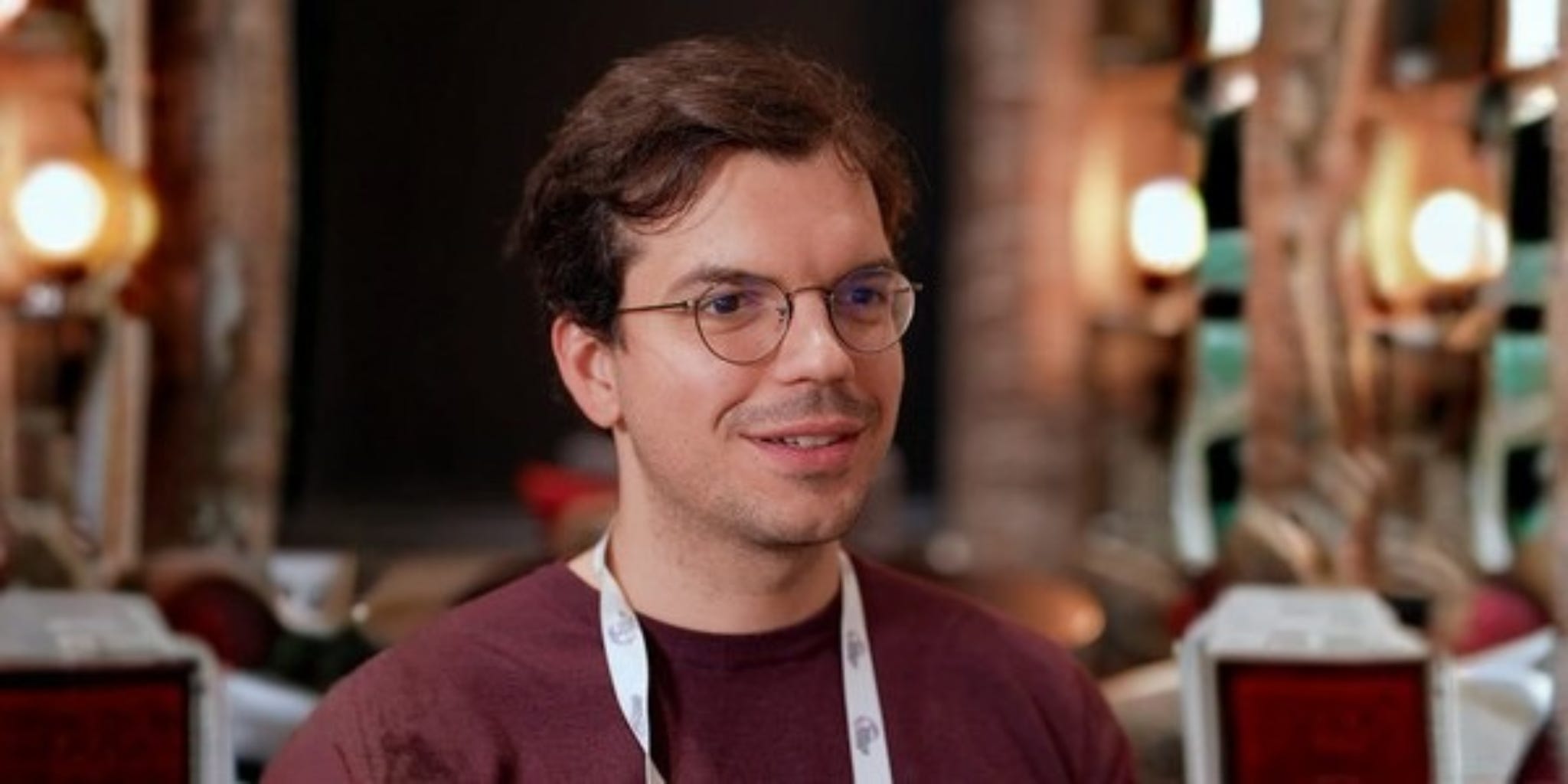
Sola Security is exploring this next frontier by bringing foundational AI research into its cybersecurity development efforts. The company has announced that Prof. Randall Balestriero, Assistant Professor of Computer Science at Brown University and a visiting researcher at Meta AI Research (FAIR), has joined its scientific advisory board.
Balestriero has worked alongside renowned AI researcher Yann LeCun and co-authored research with him. His work focuses on self-supervised learning and representation learning, examining how AI systems develop structured representations of the world around them. At Sola, he will advise on research directions aimed at connecting these concepts with the practical challenges facing enterprise security teams.
The appointment reflects the company’s interest in developing a different approach to AI-native cybersecurity, one in which agents can understand the environments they protect rather than simply react to individual findings.
The Challenge of Understanding Enterprise Environments
Modern enterprise environments involve interconnected identities, permissions, workloads, and infrastructure components. Security teams must account for these relationships when investigating threats and deciding how to respond.
A compromised identity illustrates the complexity. Identifying an account as compromised is only the beginning of an investigation. Security professionals must also determine which workloads the identity can access, understand the permissions associated with it, and assess how those relationships affect the broader environment.
The response can be equally complicated. Revoking an identity’s access might address the immediate security concern, but it could also affect workloads or systems that depend on those permissions.
These decisions require an understanding of the environment beyond the original security finding. Sola believes that AI agents will need a continuously updated representation of enterprise infrastructure to address this challenge.
Without that context, an agent may recognize a problem without having enough information to determine the appropriate action or evaluate its potential consequences.
Exploring the Potential of World Models
Sola sees new types of models capable of understanding environments and relationships as a potential foundation for the next generation of cybersecurity agents.
The concept is particularly relevant to how AI systems could represent the relationships between identities, permissions, workloads, and dependencies. Rather than treating each security finding as an isolated event, agents could use a broader understanding of the environment to evaluate how different components interact.
This could change how security automation approaches remediation. An agent would not simply identify a compromised identity and recommend removing its permissions. It could potentially map the identity’s reach, assess what might be affected by revoking access, and determine an appropriate response based on the surrounding environment.
The broader objective is to help security systems reason about potential actions before carrying them out.
For Sola, this represents an important distinction between building agents that can recognize threats and building agents that understand the operational environments in which those threats occur.
Connecting Foundational AI Research With Security
Balestriero’s background provides a connection between academic AI research and Sola’s ambitions in cybersecurity.
His research in self-supervised learning and representation learning explores how AI systems develop structured representations of the world. Sola intends to draw on this expertise as it investigates how similar principles could inform models designed to understand enterprise environments.
Guy Flechter, Co-Founder and CEO of Sola Security, believes the industry needs to move beyond systems that focus exclusively on identifying problems.
“Cybersecurity has spent years building systems that can identify problems, but understanding the environment behind those problems is an entirely different challenge,” said Flechter. “We believe the next generation of security agents will need something closer to a world model: an understanding of how systems connect, how changes propagate, and what the consequences of an action will be before it is taken.”
Flechter also emphasized the importance of Balestriero’s research background to the company’s direction.
“Randall brings a depth of expertise in how AI systems learn representations of the world. Bringing that perspective into cybersecurity is an important step for us. We want to build agents that don’t just react to what they observe, but understand the environments they protect and can reason about the impact of their decisions.”
Preparing for More Autonomous Security Operations
As enterprises increasingly deploy AI agents to investigate threats, manage access, and take remediation actions, understanding operational context could become an increasingly important capability.
Sola’s appointment of Balestriero signals its intention to build on foundational AI research rather than limit cybersecurity innovation to applying existing models to familiar security workflows.
The company is exploring how models that understand relationships and potential outcomes could help security agents make more informed decisions. Ultimately, its goal is to close the gap between identifying a security problem and understanding what should happen next.