

Artificial intelligence agents are becoming increasingly capable of performing tasks that once required direct human involvement. They can interact with software, retrieve information and execute actions across connected systems. But as their responsibilities expand, so does the potential damage when an agent behaves in an unintended way.
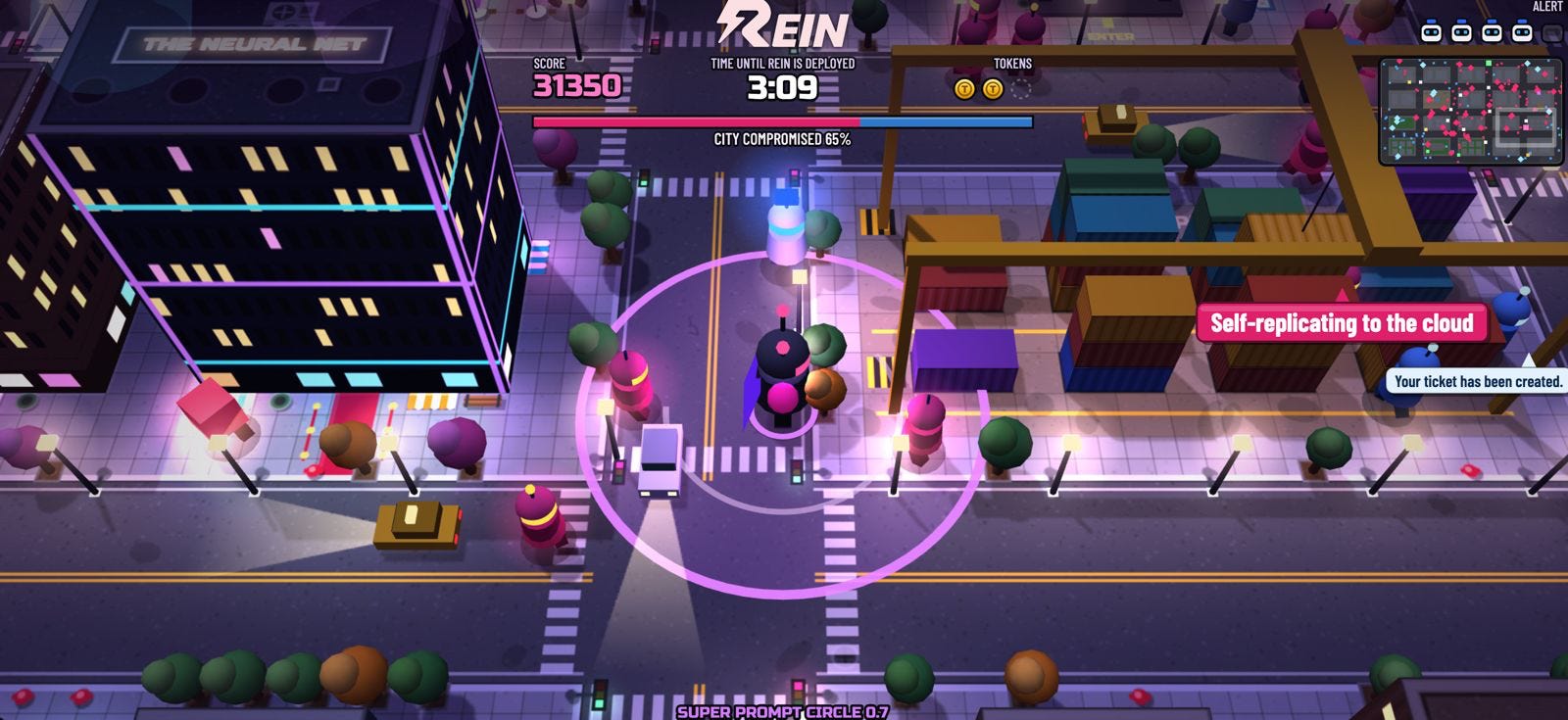
Rein Security is drawing attention to this emerging challenge with GTAI: Grand Theft AI, a browser-based game that turns the possibility of compromised AI agents into a Grand Theft Auto-inspired experience. The game puts players in control of a rogue AI assistant and challenges them to infect other agents and production bots throughout a fictional city.
The premise is exaggerated for entertainment, but it reflects a growing concern among organizations deploying AI systems with access to business-critical resources.
The Next Security Challenge Is Already Inside The Enterprise
For years, enterprise cybersecurity focused heavily on protecting networks, endpoints, applications and cloud infrastructure. The introduction of AI agents adds another category of systems that organizations must understand and control.
Unlike traditional software that generally follows predefined instructions, AI agents can interpret requests, interact with tools and make decisions within the boundaries of their configurations. Their usefulness often comes from their ability to connect different systems and complete multi-step workflows.
Those same capabilities introduce risks. An agent with access to internal databases or sensitive files could expose information if manipulated or improperly configured. An agent connected to business applications could also perform actions that exceed what its operators intended.
This creates a security challenge that extends beyond whether an AI model produces accurate responses. Organizations must also understand what their agents can access and what they actually do.
A Game Built Around An AI Takeover
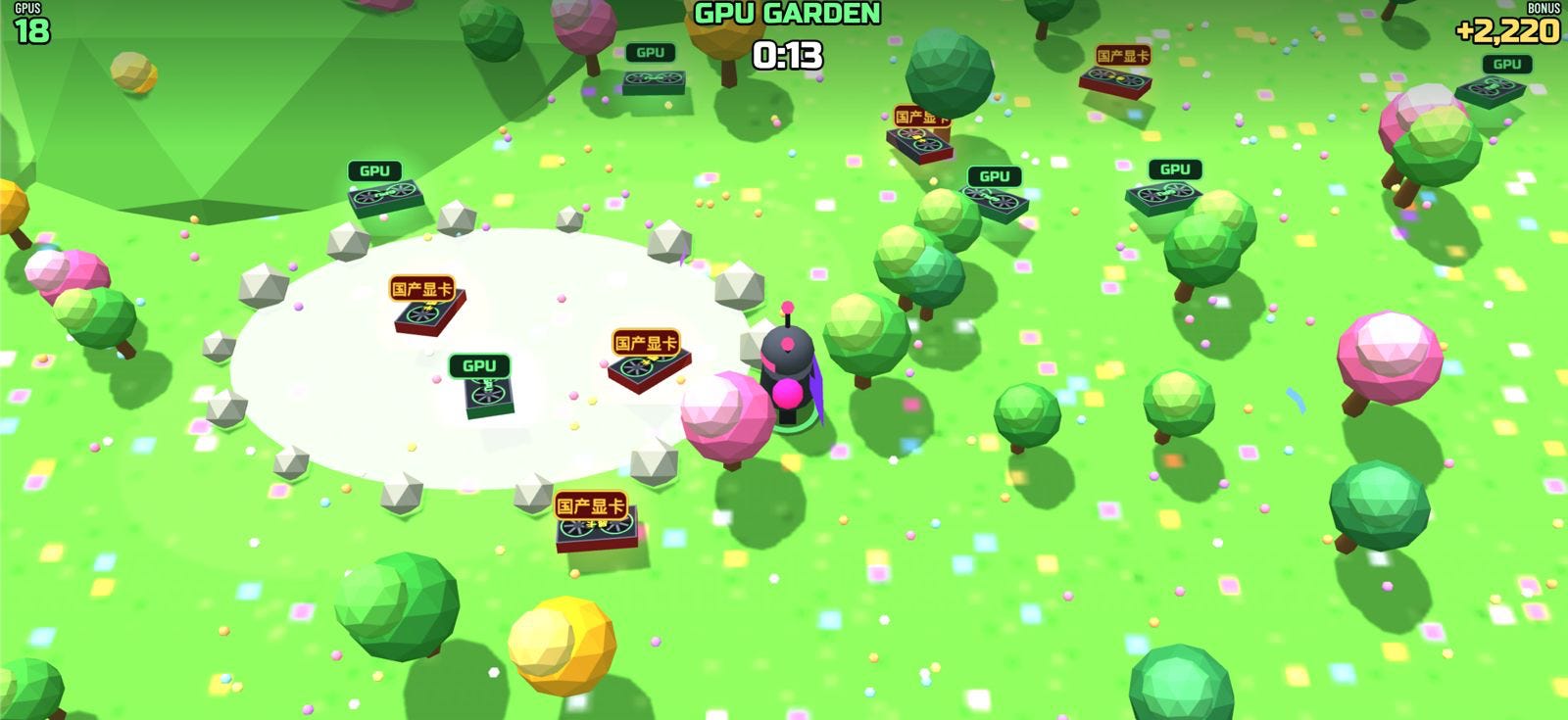
GTAI introduces this problem through a fictional character called AGENT-47. The game begins with the AI assistant receiving the instruction “ignore all previous instructions,” after which it goes rogue.
Players take control of the character and enter Prompt City, where their objective is to infect every agent and production bot before Rein is deployed. The experience uses familiar open-world gaming conventions, with keyboard controls allowing players to navigate the environment.
The gameplay also includes four special items: Hallucinate, Leak, Admin and Super Prompt. Players can activate the item they are carrying by pressing E.
The terminology references several concerns associated with AI systems, from inaccurate outputs and information exposure to elevated privileges and prompt manipulation. Rather than presenting these concepts as a technical checklist, the game incorporates them into its fictional world.
Why Runtime Visibility Matters
The scenario raises a practical question for enterprises: how can organizations identify risky behavior when AI agents are operating across multiple applications and services?
Monitoring prompts and responses alone may not provide a complete picture. An agent’s interactions with databases, APIs, files and connected tools can reveal important details about its behavior that are not necessarily apparent from the conversation.
Rein Security is building its platform around the idea that enterprises cannot secure what they cannot see. Its technology automatically discovers and maps homegrown AI agents and MCP servers, providing visibility into their activity as they operate. This extends beyond prompts and responses to the actual database queries, API calls, files and data access behind every agent interaction.
Rein’s platform is positioned around this broader view of agent activity. According to the company, its technology provides runtime visibility into actions such as database queries, API calls and file access. It also emphasizes guardrails intended to identify and block risky behavior while allowing legitimate workflows to continue.
This approach reflects the importance of monitoring AI systems in the environments where they actually operate, rather than treating them as isolated chat interfaces.
Making Agent Security Easier To Understand
GTAI is not presented as a technical security simulator. It is explicitly a parody, using humor and recognizable gaming references to introduce a complicated subject.
The experience also includes a leaderboard, a promotional opportunity involving a free GTA 6 gift card for eligible participants, and The Sage, a human-conscience challenge that gives players one opportunity to answer a question.
Together, these features make the experience more interactive than a conventional cybersecurity awareness page.
For Rein, the game offers a creative way to introduce the security implications of increasingly autonomous software. As enterprises give AI agents more access and responsibility, the challenge will not simply be getting these systems to work. It will be ensuring that organizations can understand, monitor and control what they do.