

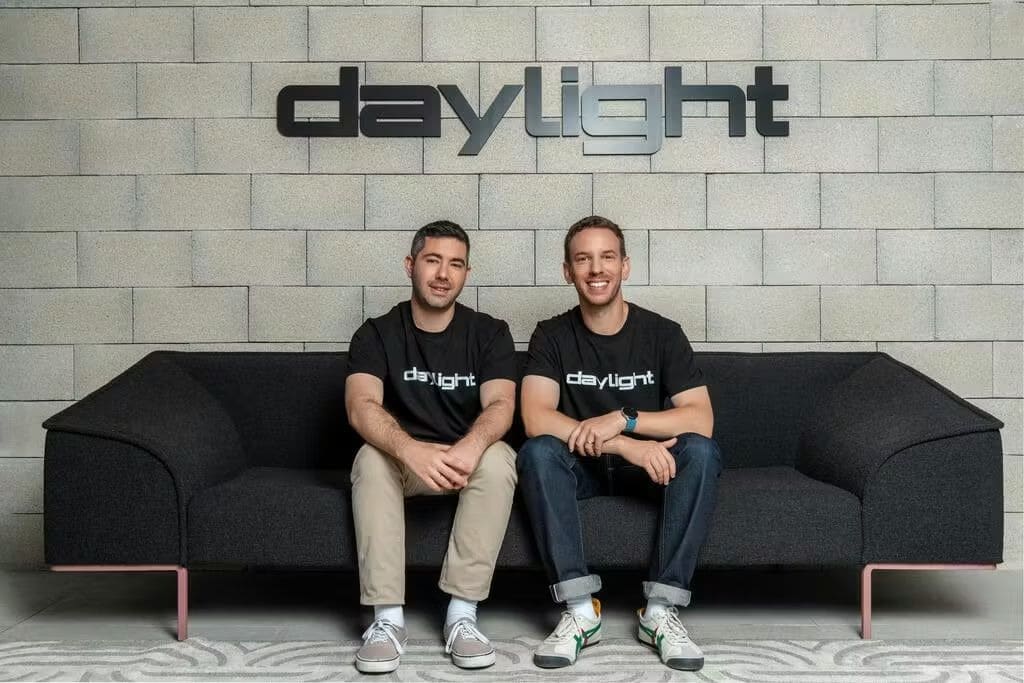
There is a quiet market shift underway in managed security, and Daylight’s latest release is a useful signal of where it is heading. Daylight Security, the managed agentic security services company, today announced Detection Program Visibility, a capability that gives customers a measurable view of their entire detection program, including the parts a managed provider would traditionally keep hidden.
The strategic logic is straightforward. MDR providers have historically competed on outcomes and response times while keeping their detection content proprietary. Daylight is competing on something different: the customer’s ability to see, measure, and improve the program itself.
The Market Problem
Every security organization of reasonable size now runs a stack of tools, a SIEM full of accumulated content, and often a managed detection service on top. Each layer generates its own detections. Security tools expose theirs. MDR providers typically operate theirs as a black box.
The result, as Daylight describes it, is fragmentation across multiple systems. Customers cannot easily determine what is actually being detected, where coverage overlaps, and where the blind spots are. In a market where organizations are under pressure to justify every line of security spend, that opacity is becoming harder to defend.
What Daylight Is Shipping
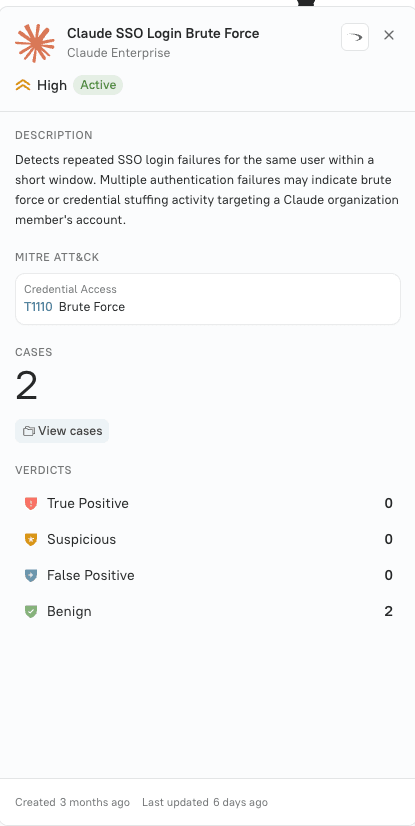
Detection Program Visibility consolidates every detection a customer has into one place. That covers three sources: detections from security tools, SIEM content, and the detections Daylight operates on the customer’s behalf. Daylight organizes all of it into a shared model mapped to MITRE ATT&CK.
The differentiating layer is operational context. Each detection carries data on alert volume, case outcomes, verdict statistics, overlap, and coverage gaps. This is where the capability moves past inventory and into measurement.
The Competitive Angle
Standalone detection visibility tools exist. Daylight’s counter is that visibility without investigation is a dead end. Because Daylight investigates the activity these detections generate, every investigation produces feedback on detection quality: which detections find meaningful threats, which create noise, which overlap, and where coverage is missing.
That feedback loop is the product’s core claim. It converts detection engineering from a static collection of rules into a measurable, continuously improving program. A pure visibility vendor cannot close that loop. An opaque MDR will not.
Hagai Shapira, CEO and co-founder of Daylight Security, made the positioning explicit. “Security leaders know how many alerts they receive, but they rarely know whether their detection program is actually improving,” he said. “For years, MDRs have asked customers to trust what happens behind the curtain. We believe customers should be able to see the detection program protecting them, understand how it’s performing, and continuously improve it with us. Detection Program Visibility is another step toward making managed security transparent instead of opaque.”
What Buyers Should Take From This
For security leaders evaluating managed detection, the release sharpens a question worth asking of any provider: can you show me the detection program you run on my behalf, with performance data attached? Providers built on the black box model will struggle to answer. Daylight has now built its answer into the product.
The release also reframes what improvement means in an MDR relationship. Alert counts and response metrics measure activity. Detection quality metrics measure whether the program is getting better at its actual job. Those are different things. Daylight is arguing that customers should be able to see both.
Availability and Outlook
Detection Program Visibility is available now for Daylight Managed Agentic MDR customers.
Transparency plays are only as good as the data behind them, and the market will judge this one on whether the measurement holds up in practice. But the direction is notable. If customers begin to expect visibility into managed detection programs as a baseline, providers that built their businesses behind the curtain will face an uncomfortable choice: open up or explain why they will not. Daylight has made its choice and turned it into a feature.