

A company can invest in sophisticated security products, deploy detection rules across its infrastructure, and introduce AI agents to accelerate investigations. Yet none of those investments guarantees that its security operations center can recognize every relevant attack.
The problem often starts much earlier than incident response. A critical log may never be collected, a telemetry pipeline may stop working, or a detection rule may fail to recognize the activity it was designed to catch. When that happens, security teams can be left without the evidence needed to investigate an incident.
Brava Security wants to make those weaknesses visible before they become an operational problem. The company has emerged from stealth with $15 million in funding led by F2 Venture Capital and Pitango VC, bringing a multi-agent AI platform to enterprises that want to verify the effectiveness of their threat detection infrastructure. Axios first reported the news.
Its technology generates the exact telemetry an attack would produce without actually executing it. That gives organizations a way to evaluate whether their existing defenses would recognize modeled attacks and identify the gaps that need attention.
The Challenge of Building an AI-Ready SOC
The push toward AI-powered security operations is creating new expectations for how quickly organizations can investigate and respond to threats. However, automation depends on the quality of the information available to the systems making those decisions.
As enterprises adopt more cloud services, AI applications, and AI-assisted development tools, their security environments become more complicated. The challenge is ensuring that the relevant telemetry reaches the systems responsible for detecting suspicious activity.
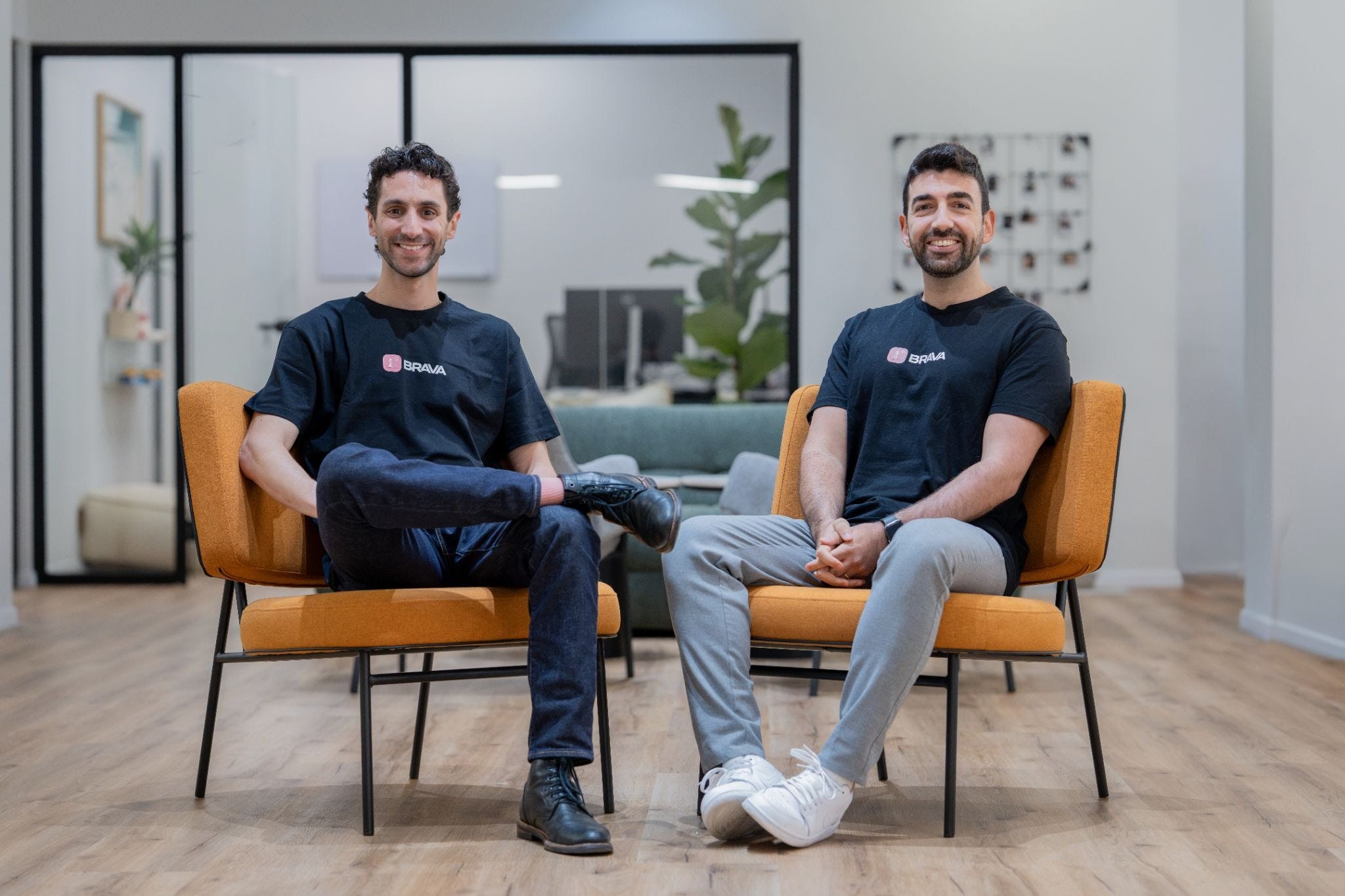
Brava co-founder and CEO Idan Basre believes the industry has overlooked this dependency while focusing on the possibilities of AI automation.
“Everyone is racing to put AI in charge of the SOC. You can’t automate a decision based on evidence no one ever proved,” said Basre. “We’re solving the problem that comes before AI can make the right decision: making sure the security infrastructure actually sees the threats it’s supposed to detect.”
Basre previously led product management for Microsoft Defender, where he encountered the limitations that restricted security data could create for incident investigations.
Testing What Existing Defenses Can Actually Detect
Rather than focusing exclusively on processing alerts, Brava examines whether the infrastructure responsible for generating those alerts is working properly.
Its Security Operations platform models attacker behavior and determines how specific attack techniques would manifest across a customer’s environment and log sources. It then evaluates whether the existing defenses would detect that activity and identifies missing telemetry or ineffective SIEM detections.
The platform can rewrite the detections and data feeds that are blind to modeled attacks. It also investigates alongside security teams, helping them bring together evidence to understand their environment.
For CTO and co-founder Itay Gabbay, the challenge is not simply creating more detection rules but understanding how attacks appear across an organization’s particular infrastructure.
“The hard part of security was never writing detections. It’s knowing exactly what an attack will look like in a specific environment, across all of its log sources, before it ever happens. That’s the problem our models were built to solve,” said Gabbay.
This approach allows enterprises to assess their detection capabilities without actually executing the modeled attacks or replacing their existing security products.
A Growing Enterprise Customer Base
Brava is already working with Fortune 100 companies across retail, energy, and hospitality. Cushman & Wakefield and WELL Health, one of Canada’s largest healthcare companies, are also among its customers.
Its platform integrates with Splunk, Google SecOps, CrowdStrike, and more than 70 additional sources and destinations. The company says its first insights are available within 10–15 minutes of onboarding, providing a relatively quick starting point for organizations evaluating their detection infrastructure.
Cushman & Wakefield CISO Erik Hart described the platform’s role in the company’s security operations strategy.
“Our SecOps journey is about applying AI where it makes our people more effective, and Brava sits at the center of that. It investigates alongside our team, bringing evidence together so decisions rest on facts rather than on searching” said Hart.
The customer traction suggests that Brava is targeting an operational challenge relevant to organizations with complex security environments, particularly those looking to introduce AI into existing workflows.
Building the Company Behind the Technology
Basre spent ten years in Unit 8200 as a threat researcher after graduating from the Talpiot program. He subsequently moved into product management leadership at Microsoft Defender. Gabbay spent seven years in the IDF building core AI systems, including work on a joint DARPA-Israeli research program.
Brava now has approximately 20 employees, combining AI researchers and security researchers. Its R&D operations are based in Israel, while its commercial team is expanding across the United States.
The $15 million seed round also attracted angel investors, including executives from Anthropic, Microsoft, and Check Point. Led by Pitango and F2, the financing will support further technology development and commercial expansion across North America.
Beyond the Initial Market
Brava is preparing to pursue additional opportunities in financial services and government as it expands its commercial operations. Its immediate focus is strengthening the technology and growing its presence across North America.
The company’s broader argument is that AI-powered security requires more than faster investigations. Before organizations can trust automated systems to make security decisions, they need confidence that the infrastructure feeding those systems is capturing the evidence that matters.