

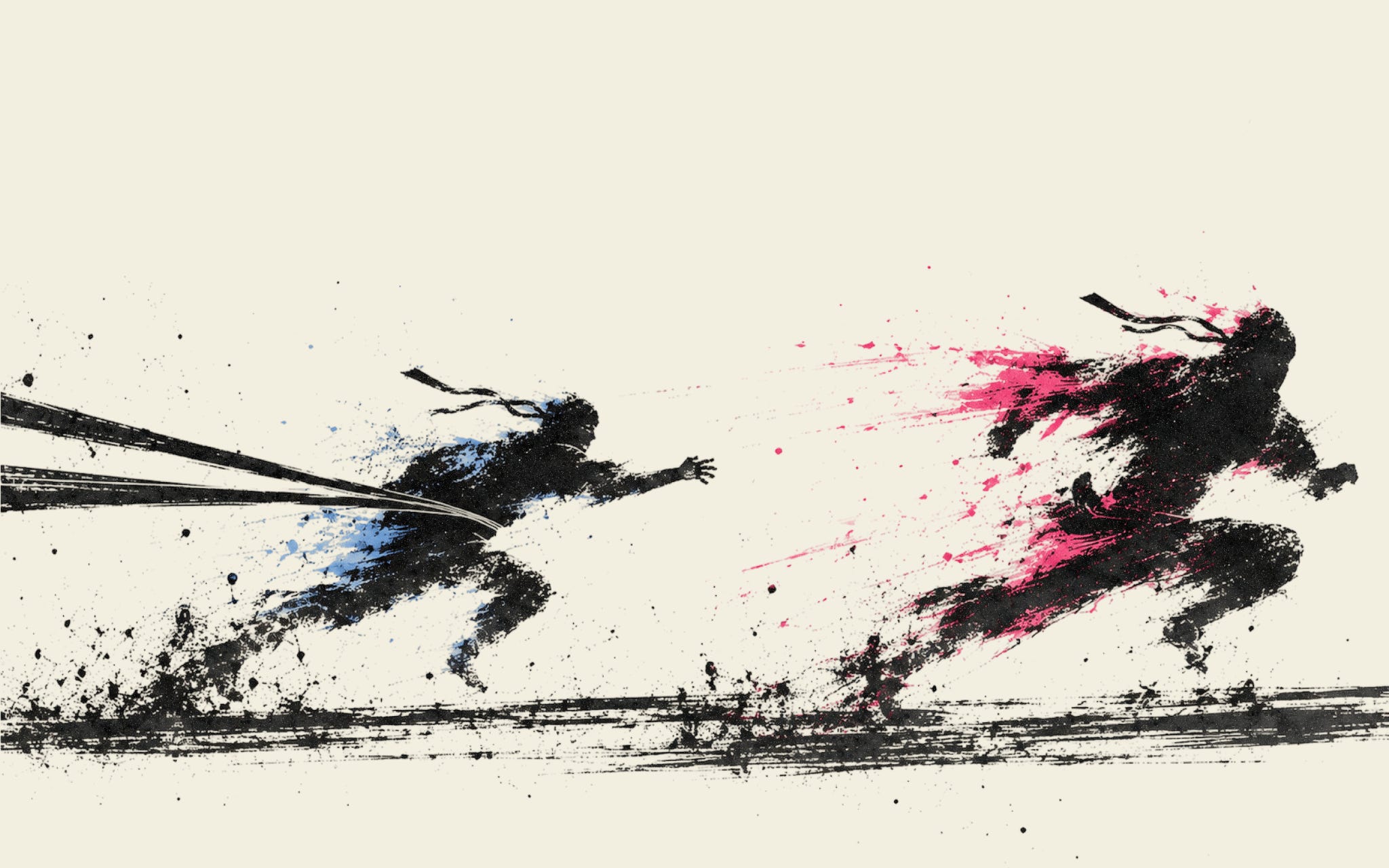
A growing discussion among cybersecurity executives is taking place around a deceptively simple question: what happens if artificial intelligence moves faster on the offensive side than it does on the defensive side?
Asaf Wiener, CEO and co-founder of Mate Security, raised that question in a LinkedIn post that has generated substantial discussion among cybersecurity professionals. His argument challenges the idea that slowing the development of advanced AI automatically reduces risk, pointing instead to the possibility that restrictions could affect defenders more directly than attackers.
The post was prompted by a letter from Anthropic CEO Dario Amodei advocating for “pacing the frontier,” a proposal centered on coordination and responsible development among leading AI companies.
Wiener took a different view.
“Pace the frontier, and you pace exactly one side of this fight, the defense side,” he wrote. “The answer isn’t to slow defenders down. It’s getting trusted, verifiable AI into their hands faster, with the right guardrails in place.”
The response attracted comments from cybersecurity professionals unaffiliated with Mate Security, helping turn what could have been a company executive’s policy reaction into a wider industry discussion.
The Problem With A One-Sided Race
Wiener’s argument rests on an asymmetry in cybersecurity.
AI companies can voluntarily coordinate around safety standards. Attackers generally do not operate under the same constraints.
That creates a potential disconnect between the pace of AI development and the pace at which organizations prepare to defend themselves. If security teams wait for future AI capabilities to arrive before investing in AI-driven defense, they may be responding to a threat that is already evolving.
In the longer analysis accompanying his LinkedIn post, Wiener describes these as two separate frontiers: the frontier of AI capability and the frontier of offensive cyber activity.
The latter does not wait for the former.
“There’s a second frontier the letter never touches: how fast attackers are already moving with the AI that exists today,” Wiener wrote.
Several commenters picked up on that distinction. Omer Karny responded, “Exactly. Thinking that everyone will pace themselves because someone said it- just won’t work…” Noam Bar-Lev similarly wrote, “100%. Slowing things down gives attackers the edge.”
From AI Experiment To Security Infrastructure
The discussion is also part of a larger transition in enterprise cybersecurity.
For years, AI in security was largely associated with detecting anomalies, prioritizing alerts or helping analysts process large quantities of data. The emergence of AI agents introduces a different proposition: systems that can conduct investigations and potentially execute portions of a response process with substantially less human intervention.
That creates a new requirement alongside speed: control.
Wiener argues that security agents should be subject to the same principles increasingly being discussed for frontier AI. They should be verifiable, auditable and accountable for the systems they interact with.
This is where his argument moves beyond simply calling for faster AI adoption. The proposition is not that companies should deploy autonomous systems without restrictions. Instead, organizations should build guardrails that allow AI-driven security operations to move quickly while remaining within defined boundaries.
Why The Post Resonated
The reaction to Wiener’s post reflects the fact that the issue sits at the intersection of two of the industry’s biggest conversations: AI governance and cybersecurity preparedness.
Inbal Argov commented that organizations need to focus on “the mechanisms around the models that make them trusted and operationalized, and hunting down the frontier-powered attackers.” Sharon Rosenman wrote, “Slowing down innovation is not a good idea and will practically not happen. Great insight.”
Other commenters took a more concise approach. Chris Hoard called it “A good read. Thanks,” while Dineshwar Sahni wrote, “…and attackers won’t write 3000+ or 6000+ essays … You got it right mate!”
The variety of responses helps explain why the post has attracted attention beyond Mate Security’s immediate network. Rather than discussing a product launch or corporate milestone, Wiener entered an active debate about the future of AI and cybersecurity—and connected an abstract AI policy question to a concrete concern for security teams.
The takeaway from his argument is not that AI governance is unnecessary. It is that governance and defensive readiness need to advance together. As AI becomes increasingly capable on both sides of the cybersecurity equation, the organizations responsible for protecting networks, applications and data will have to consider how quickly their defenses can operate when the threat itself is moving at machine speed.